
The algorithm will see you now
The world is on fire 😀 but this ad is curated for you!

Before we were sold to, we were online. Hands up who remembers that? *Cue the sound of a dozen millennials' joints cracking in unison* 🙋🏻
Looking back, the early days of the internet feel like a fever dream - a barely-moderated expanse of chaos, connection and (let’s face it) slightly unhinged content. In fact, I don’t think anyone even referred to it as content back then 🥲 imagine.
We had MSN for messaging. Ebaumsworld for cursed videos. YouTube for grainy skateboarding fails and webcam makeup tutorials uploaded in bulk by people who hadn’t yet learned to monetise their personalities. It was lawless, stupid, and brilliant. A place where you didn’t need to have a brand, just a dial-up internet connection and something to say.
But that version of the internet died. Slowly. Quietly. Buried under the ever-so-gradually increasing weight of optimised algorithms, autoplay ads, and corporate desperation. And somehow, we all just… let it happen.
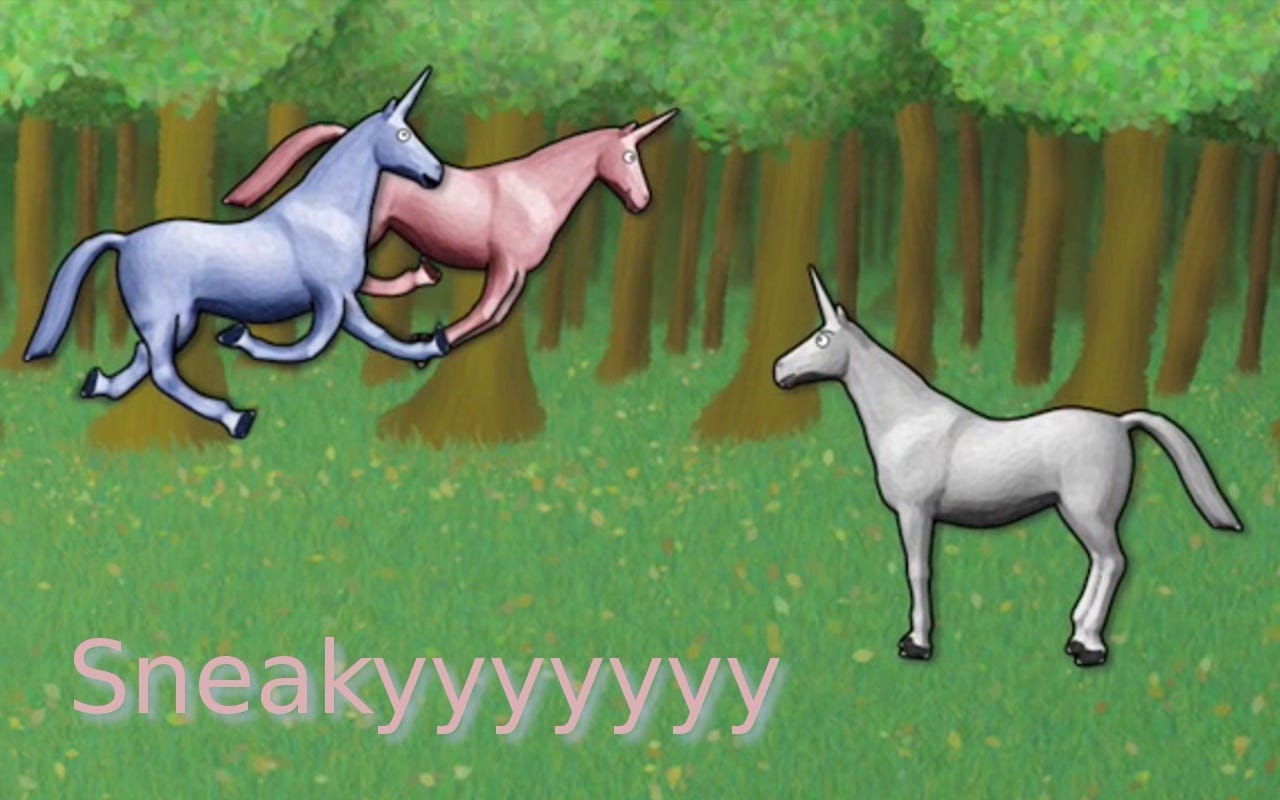
Let’s rewind a bit. The real boom years for the mainstream internet sit somewhere between 2004 and 2010. YouTube launched in 2005. Facebook opened to the public in 2006. MSN Messenger was peaking, populated by kids using ~emOtIcOnS~ and nudges to navigate crushes and playground dramas. It was the golden age of copy-and-paste chain messages and going steadily cross-eyed whilst HTML-ing your very own Piczo site.
Importantly, this era was largely unmonetised. There were banner ads, sure - ugly little rectangles shoved to the margins - but platforms weren’t engineered to extract maximum value from your attention. Yet.
That came later 😀 With investment 🤑
Silicon Valley VC firms didn’t bankroll Facebook, Twitter, or Uber out of the kindness of their tech-bro hearts. In shocking news, they subsidised our digital lives to gain market dominance. Loss-leading was the strategy! Give it away now, own the entire infrastructure later. Cute!
And when the hook was in - when we’d abandoned competitors and built our friendships, search histories, and cultural habits around these products - the trap shut.
ROI came knocking. And so came the ads.
YouTube started serving ads in 2007. Facebook went from pokes and walls to targeted campaigns and real-time bidding. TikTok launched as a dopamine casino and now interrupts your feed with branded content for everything from refillable deodorant to minimiser bras (just me?). Even Uber - remember when it was cheap? - only ever worked because it was propped up by billions in venture capital. Now you’re paying £22 to go 2.7 miles in traffic. How very 2025.
This pattern isn’t just predictable - it’s the playbook.
Every platform you love has been dragged through this same brutal lifecycle. Instagram, once a sleepy app for Valencia-filtered brunch pics, is now a shoppable surveillance tool. Netflix used to post out DVDS. Now it charges you more not to see adverts. Amazon Prime Video has quietly introduced a two-tier model where "Prime" no longer means what it used to. Even the BBC - the BBC, guys - is licensing its content out to American streamers. You paid for that via your TV licence, and now you get to pay for it again on Hulu. Cheers!
We’ve normalised this. Internalised it. Accepted that everything online must, eventually, turn into a billboard. Our feeds. Our thoughts. Our art. We joke about it, of course. We are nothing if not hilarious in the face of adversity. But the rot has set in.
And it’s not just annoying. It’s existential. When the only viable internet business model is surveillance and sales, what happens to public life? What happens to platforms that don’t want to monetise you? (Spoiler: they don’t survive.) What happens to our brains when we can’t scroll for three seconds without being sold a deodorant or a worldview?
We’re not online anymore. We’re in a shopping centre.
And the worst part? We can’t log off 🥲 Not really. Not when the internet is where we bank, date, work, grieve, flirt, shop, spy, cry, stream, scream, scheme. We’re here, we’re trapped, and we’re watching the walls close in on our mental health.
We thought the internet would set us free. Instead, it made us easier to sell to.
Ladies and gentlemen: we are in the dark place.
But maybe, juuuuust maybe, there’s still something on the fringes. In weird playlists, homegrown forums, and slow newsletters written by people who just want to write. Something is happening in the cracks.
Which brings us, with a knowing glance, to Substack. Everyone here feels it - that crossed-fingers energy. A collective breath-hold. A half-whispered hope that maybe, just maybe, this place stays weird and good. That it doesn’t pivot, or fold, or sell out to the highest bidder.
But can we count on it?
Or are we just watching another platform load its ad unit in the distance? 💰
do we have a "theory" on what's going ot happen to substack?